
December 31, 2025

Fun Recipes to Help Kids with Sensory Feeding Challenges Explore and Enjoy Mealtime

For many children with sensory feeding challenges, mealtime is about much more than eating - it’s about navigating textures, smells, colors, and new experiences. These three playful, low-pressure activities help kids interact with food in ways that feel safe, creative, and empowering.

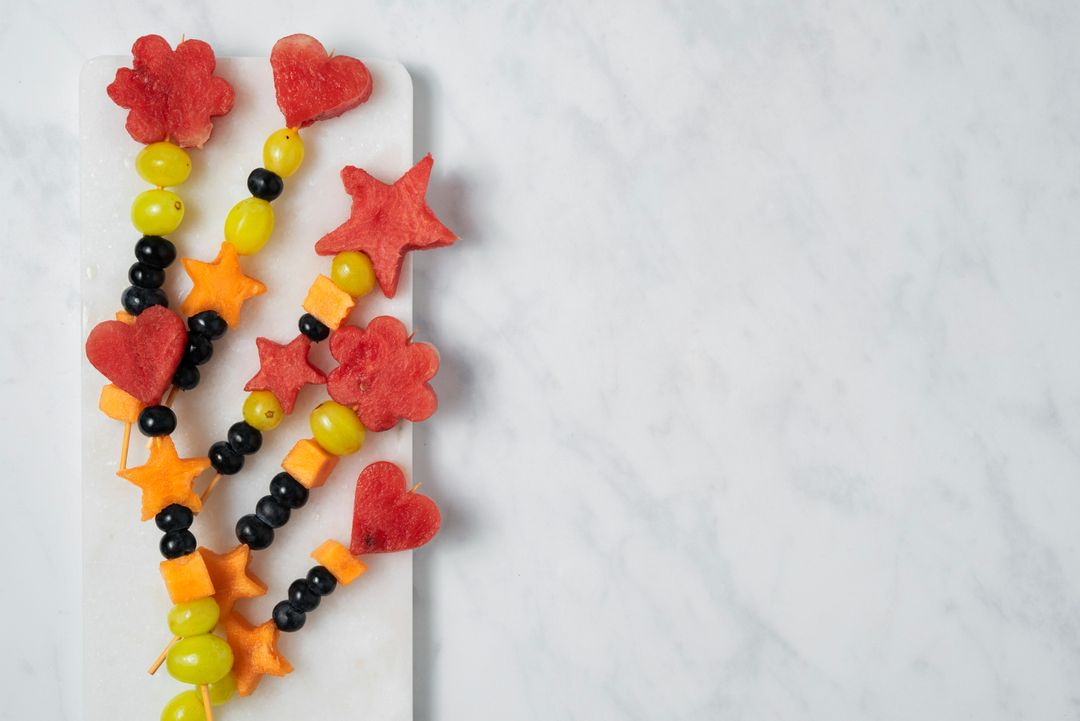
 1. Rainbow Fruit Wands

Why it helps: Kids can touch, smell, and assemble fruit without needing to eat it. The variety of textures (smooth grapes, fuzzy kiwi, firm melon) encourage sensory exploration.

How to make them:

  • Cut fruit into bite-sized pieces
  • Offer skewers or straws
  • Let kids build their own “wands” in any order
  • Optional: add a yogurt dip for extra sensory play

2. Sensory Pasta Play (Warm or Cold)

Why it helps: Pasta is soft, safe to touch, and easy to manipulate — perfect for sensory play without pressure to taste.

How to prepare:

  • Cook pasta in fun shapes (bowties, spirals, shells)
  • Toss with a tiny bit of oil to prevent sticking
  • Add optional food coloring for visual fun
  • Let kids scoop, sort, or “paint” with pasta using safe utensils

3. No-Bake Energy Bites

Why it helps: Kids engage with sticky, crumbly, and soft textures while helping make a snack they may feel proud to try.

Basic recipe:

  • 1 cup oats
  • ½ cup nut or seed butter
  • ¼ cup honey or syrup
  • Optional add-ins: mini chocolate chips, chia seeds, crushed cereal

Let kids mix with spoons or hands, then roll into balls.

🌟 Keep the Focus on Exploration, Not Eating

These activities help kids:

  • explore textures
  • build confidence
  • reduce anxiety
  • connect positive feelings with food
  • enjoy shared experiences
Keesha Sarman
Author
Keesha is a Speech-Language Pathologist who specializes in working with pediatric and adult clients to boost their memory and cognitive skills.

Ready to Begin your Journey?

exit icon