



For Healthcare Providers & Referral Partners
For Medical Providers & Referral Partners
A care team that keeps you in the loop
Parkwood Clinic provides pediatric speech, language and feeding therapy at two Portland offices, Bridgeport and Multnomah Village, as well as through teletherapy. We work closely with pediatricians, ENTs, dentists, lactation consultants, OTs and other specialists. Our goal is for every child you refer to receive timely, evidence-based care, and for you to stay informed every step of the way.
Clinical Specialties & Referral Indications
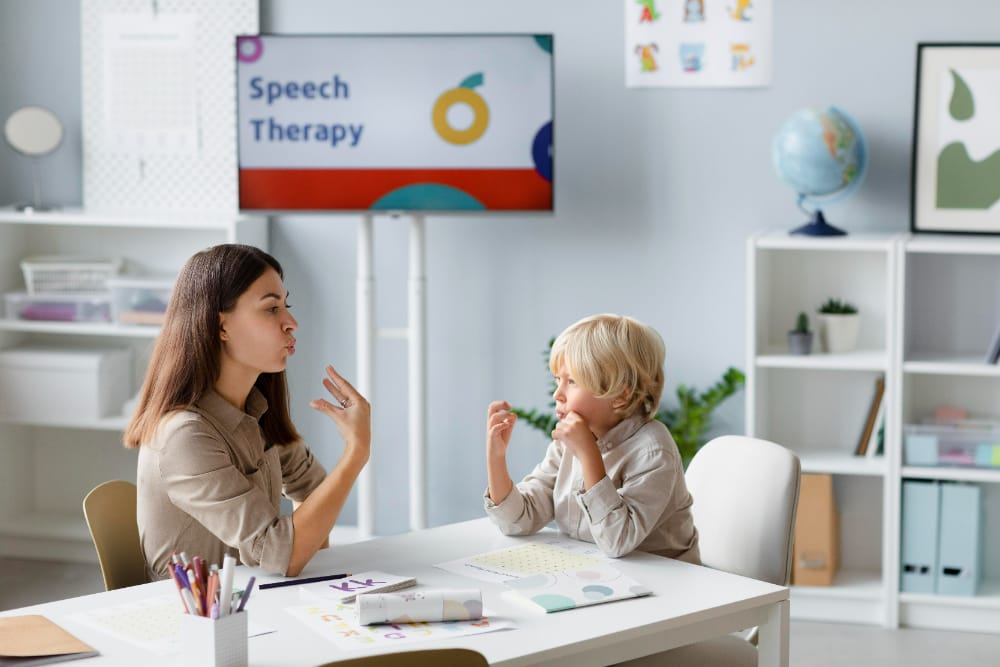
Consider referring a patient to Parkwood if you notice...
- Speech that is hard to understand for the child's age, or limited progress in speech sound development (see our speech sound development chart)
- Delayed or absent first words, limited vocabulary, or difficulty combining words
- Language, cognitive or communication challenges that make classroom learning difficult
- Feeding difficulties, poor weight gain related to feeding, or a very limited diet
- Mouth breathing, tongue thrust, or atypical oral rest posture
- Hoarseness or other voice concerns
- Speech differences related to cleft lip or palate
- A need for augmentative and alternative communication (AAC)
- Stuttering or other disfluencies
Infant Feeding Expertise
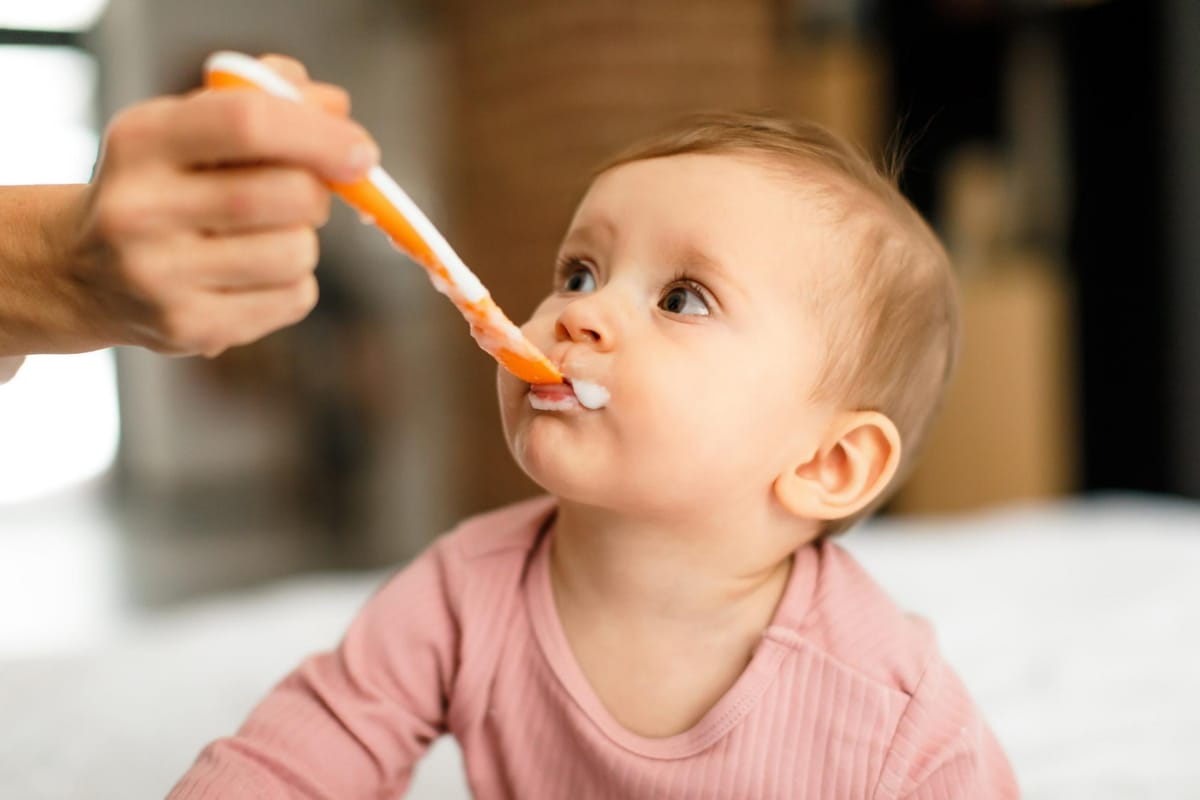
Support from the very first feeds
Our clinicians support infants with breast and bottle feeding difficulties, poor latch or suck, transitions to purées and solids, and concerns related to tethered oral tissues. Their training includes Tethered Oral Tissues and Beckman Oral Motor. Using a responsive feeding approach, we help families build positive, low-stress mealtimes. We also coordinate with lactation consultants and with providers who evaluate or release oral ties, both before and after the procedure.
Complex Motor Speech & Childhood Apraxia of Speech
Specialized, intensive motor speech treatment
Children with childhood apraxia of speech (CAS) and other motor speech disorders need specialized, intensive treatment. Our clinicians are trained in PROMPT, a tactile-kinesthetic approach to motor speech, and in LSVT LOUD for Kids for children with dysarthria. Therapy is individualized, data-driven and focused on functional communication.


Orofacial Myofunctional Therapy
Breathing, sleep, dental development, speech and swallowing
Orofacial myofunctional disorders (OMDs) can affect breathing, sleep, dental development, speech and swallowing. Our clinicians are also trained in MyoMunchee, which supports healthy chewing patterns. Common concerns we address include:
- Open-mouth posture and habitual mouth breathing
- Tongue thrust and atypical swallow patterns
- Oral habits such as prolonged thumb sucking or pacifier use
- Pre- and post-frenectomy therapy
- Support alongside orthodontic or airway treatment
We frequently partner with dentists, orthodontists and ENTs to achieve the best possible outcomes for each patient.
Feeding & Swallowing Concerns
Calmer, more confident mealtimes
Using the SOS Approach to Feeding and the Get Permission Approach, we treat:
- Extreme picky eating or a very limited diet, including avoidant/restrictive food intake disorder (ARFID)
- Gagging, vomiting or distress at mealtimes
- Difficulty chewing or progressing to new textures
- Sensory-based feeding difficulties
- Feeding challenges related to medical, developmental or structural conditions

Collaboration & Communication
You're part of the care team, and we'll keep you informed
Evaluation summary
Sent to you following the initial evaluation.
Progress updates
Every 3 months, and anytime on request.
Plan of care
We request signed physician orders when required by insurance.
Direct line
You're always welcome to call and speak with your patient's clinician.
All communication is HIPAA-compliant and shared in accordance with the family's authorization.
How to Refer a Patient
Referring is quick and simple
- Send the referral by fax to 971-353-5182, or call us at 503-894-1539.
- Please include, if available: the patient's name and date of birth, parent or guardian contact information, reason for referral or diagnosis codes, relevant medical history, and insurance information.
- Families may also contact us directly by calling 503-894-1539 or emailing grow@parkwoodclinic.com.

What Happens After a Referral
From referral to therapy
- We contact the family within 3–5 business days to gather information and answer any questions.
- We verify insurance benefits and explain coverage before the first visit.
- Initial evaluation: a comprehensive, family-centered assessment, in person or via teletherapy.
- We review the results with the family and send you a summary with our recommendations.
- Therapy begins, with an individualized plan, measurable goals and regular progress updates.
Questions?
We're always glad to talk through a case or help determine whether a referral is a good fit.
Email: grow@parkwoodclinic.com
Bridgeport: 17020 SW Upper Boones Ferry Rd, Suite 201, Portland, OR 97224
Multnomah Village: 3644 SW Troy St, Suite 100, Portland, OR 97219